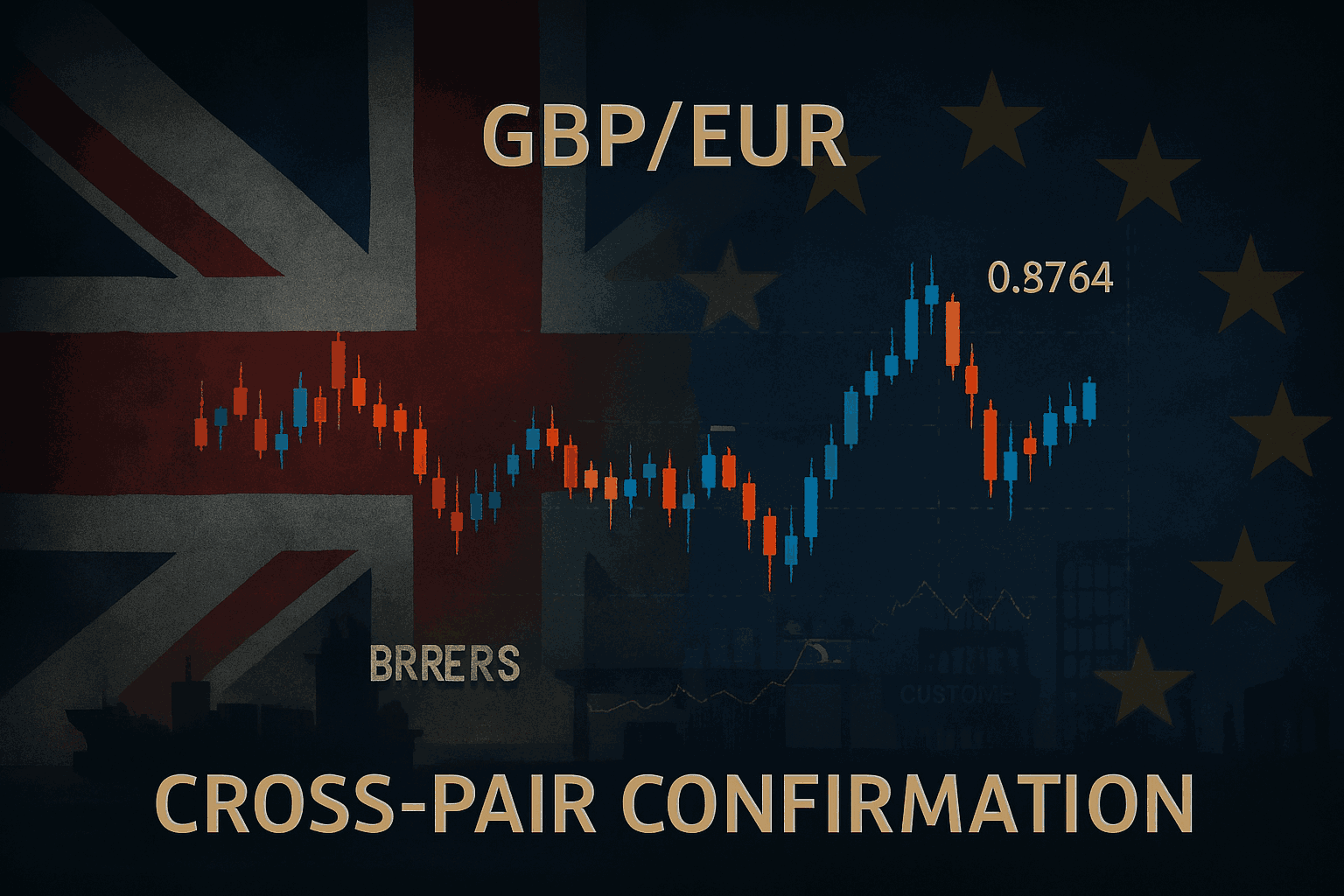
Since the UK’s departure from the European Union, the GBP/EUR Post-Brexit currency pair has been one of the most important indicators of the evolving economic relationship between London and Brussels. While Brexit officially happened in 2020, its aftershocks are still being felt across trade, regulation, and capital flows in 2025. For forex traders, the GBP/EUR Post-Brexit trend offers valuable insights into how trade dynamics continue to shape market sentiment.
The Trade Balance Effect
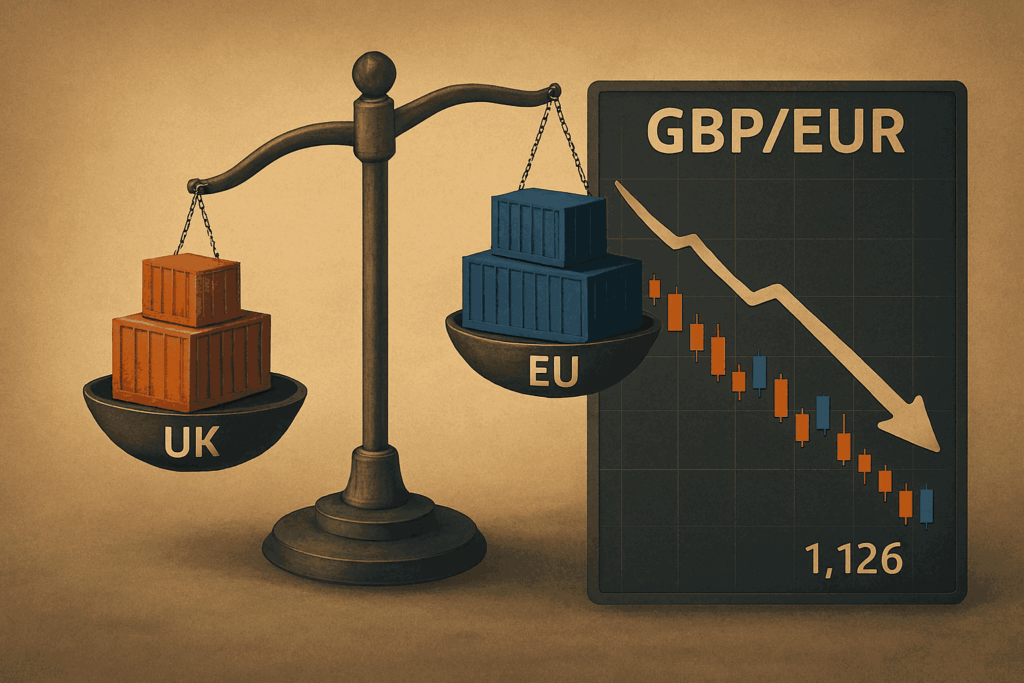
The most direct impact of Brexit has been on trade balances. Before the UK left the EU, both economies enjoyed seamless cross-border trade. Today, the introduction of customs checks, additional paperwork, and divergent standards has created friction that weighs on UK exports. According to recent reports, small and medium-sized businesses in particular have struggled to keep pace with new costs.
When UK exports slow and imports remain steady, the trade deficit widens often putting downward pressure on the pound against the euro. Conversely, any improvement in trade efficiency, such as streamlined customs technology or bilateral agreements, tends to strengthen GBP/EUR. Traders keeping a close eye on monthly UK trade data often spot these shifts before they are fully priced in.
Supply Chain Realities
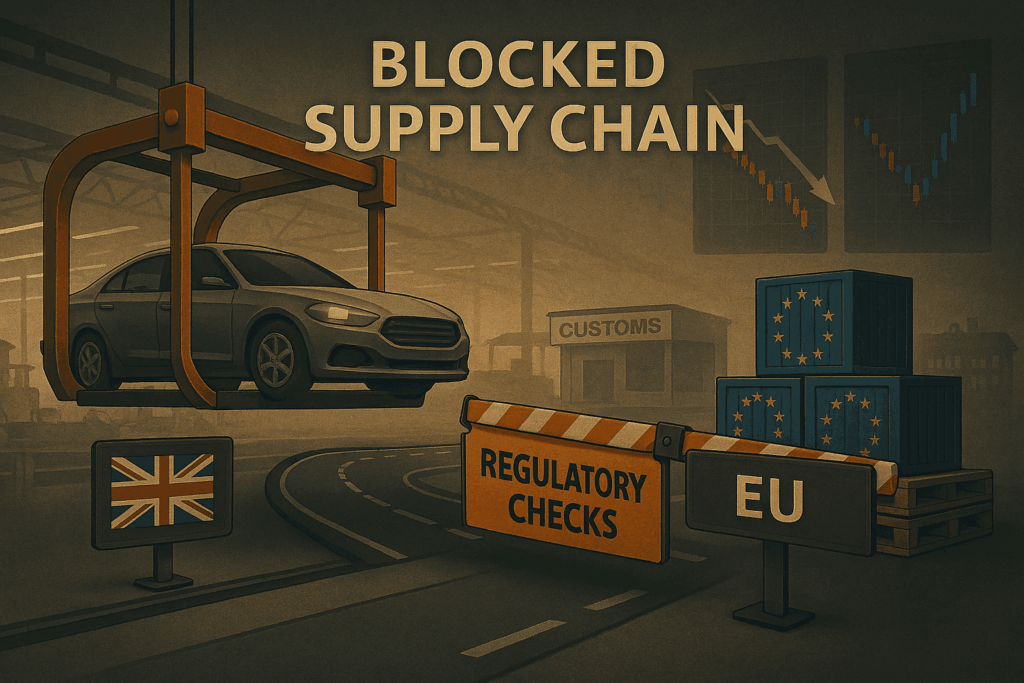
Another major driver of GBP/EUR movements is supply chain resilience. The UK’s automotive and agricultural sectors, both heavily reliant on European inputs, continue to feel the pinch of border delays and regulatory divergence. For example, changes in rules of origin requirements have made it more expensive for UK car manufacturers to export to the EU, directly influencing GBP weakness when these issues resurface.
Meanwhile, the euro benefits from the EU’s ability to spread risk across multiple member states. Disruptions in one region are often offset by stability in another. This structural difference means that the euro has shown greater resilience to Brexit-related shocks compared to the pound.
Energy, Inflation, and Trade Links
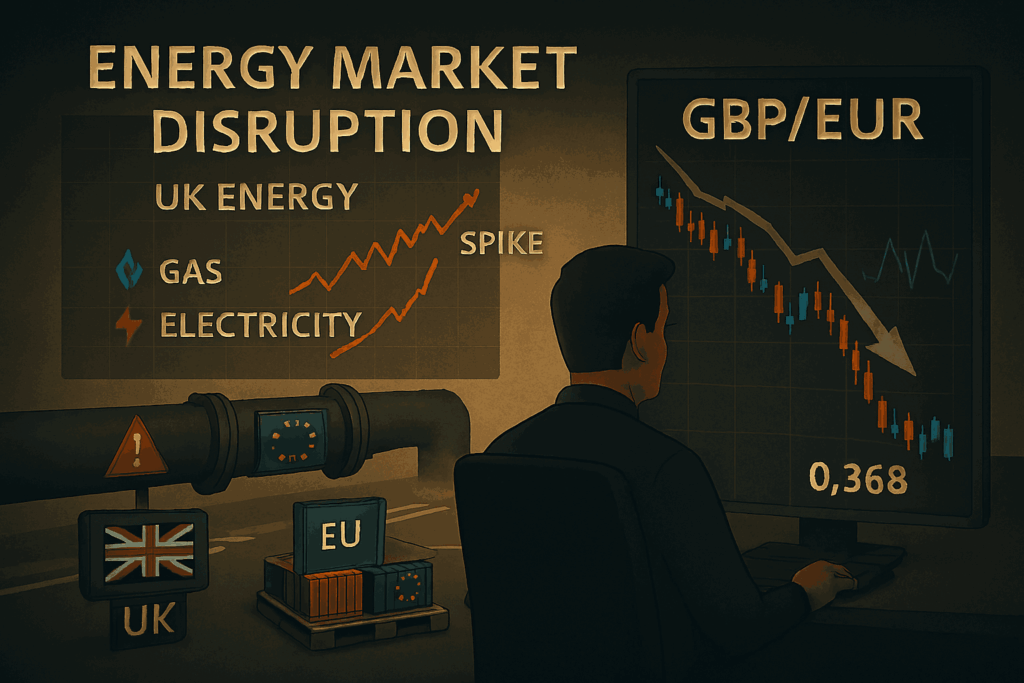
Energy costs have also played a significant role. The UK’s departure from the EU energy market has led to higher price volatility, particularly during periods of geopolitical stress. As energy imports are a key component of trade flows, rising costs have magnified the UK’s trade imbalance with the EU. For forex traders, this dynamic often translates into periods of pound weakness versus the euro, especially when energy markets tighten.
In addition, inflation remains a by-product of these higher costs. If the Bank of England appears more constrained than the European Central Bank in fighting inflation, traders often shift toward the euro, amplifying the GBP/EUR decline.
What Traders Should Watch
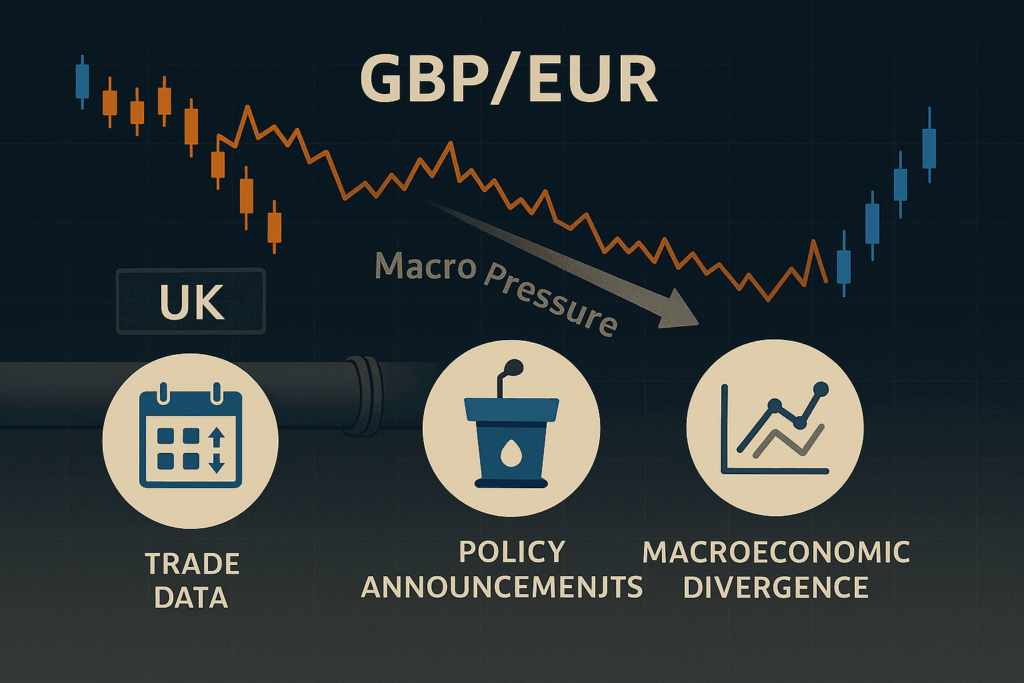
For those trading GBP/EUR in 2025, three key indicators stand out:
- Monthly Trade Data: Shifts in exports and imports between the UK and EU continue to be a leading driver of the pair’s direction.
- Policy Announcements: Negotiations over tariffs, customs, and sector-specific rules can create sudden volatility. Headlines alone are often enough to move GBP/EUR intraday.
- Macroeconomic Divergence: While the EU’s large internal market provides stability, the UK remains more exposed to Brexit-specific challenges. Traders must consider relative growth prospects and central bank policy.
Trading Strategies in 2025
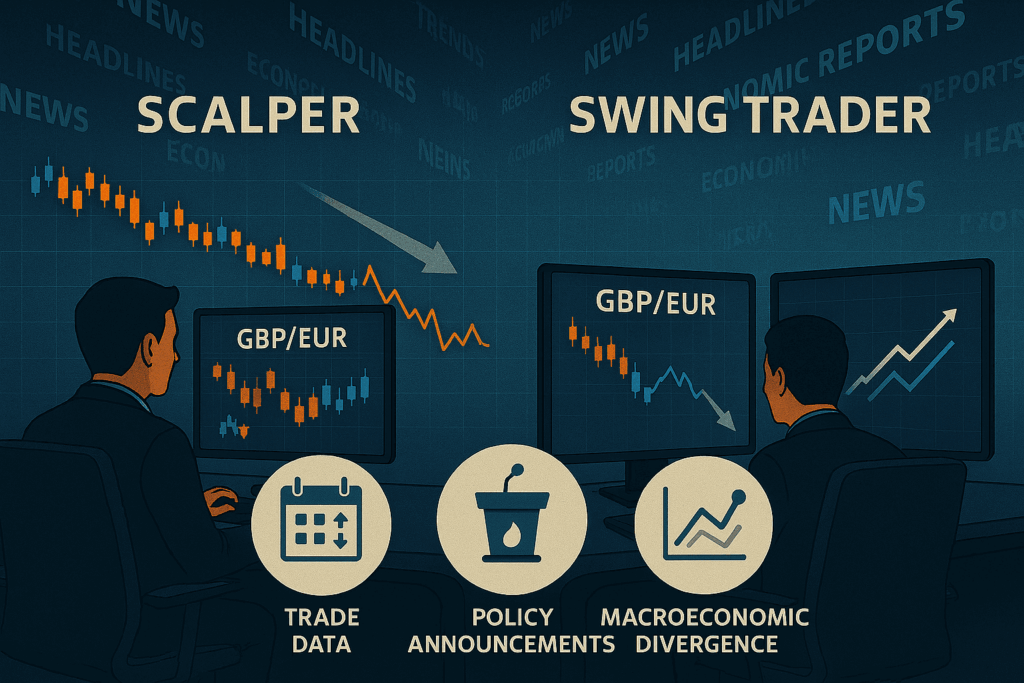
For scalpers and short-term traders, GBP/EUR offers ample volatility around scheduled releases such as trade reports, PMI data, and EU policy announcements. Swing traders may prefer to focus on broader themes like widening trade deficits, regulatory disputes, or relative monetary policy divergence between the Bank of England and the ECB.
Risk management remains critical. Because Brexit-related headlines can emerge suddenly, traders should always protect positions with stop-loss orders and be prepared for sharp intraday swings.
Conclusion
Even in 2025, Brexit is far from a “past event.” Its influence lingers most visibly in trade flows, supply chain pressures, and energy market adjustments that directly affect the GBP/EUR exchange rate. For forex traders, this pair remains a barometer of how well the UK and EU are adapting to their new relationship. By closely monitoring trade data, policy negotiations, and macroeconomic performance, traders can better navigate the volatility and uncover opportunities in one of the market’s most politically sensitive currency pairs.