The British pound has long been one of the most politically sensitive currencies in global forex markets. From Brexit negotiations to leadership changes and fiscal policies, UK political events often spill directly into price action for sterling crosses such as GBP/USD, GBP/EUR, and GBP/JPY. Traders worldwide keep a close eye on developments from Westminster, as political headlines can reshape market sentiment in a matter of minutes.
Why GBP Is So Politically Sensitive

The UK economy is highly integrated into global trade and finance, making the pound especially reactive to uncertainty. Unlike larger economies such as the U.S. or China, the UK relies heavily on capital flows, trade deals, and investor confidence. Any disruption whether a change in government leadership, a new fiscal policy, or ongoing debates over trade agreements can shift expectations for growth and monetary policy, directly impacting GBP crosses.
Brexit: The Defining Example
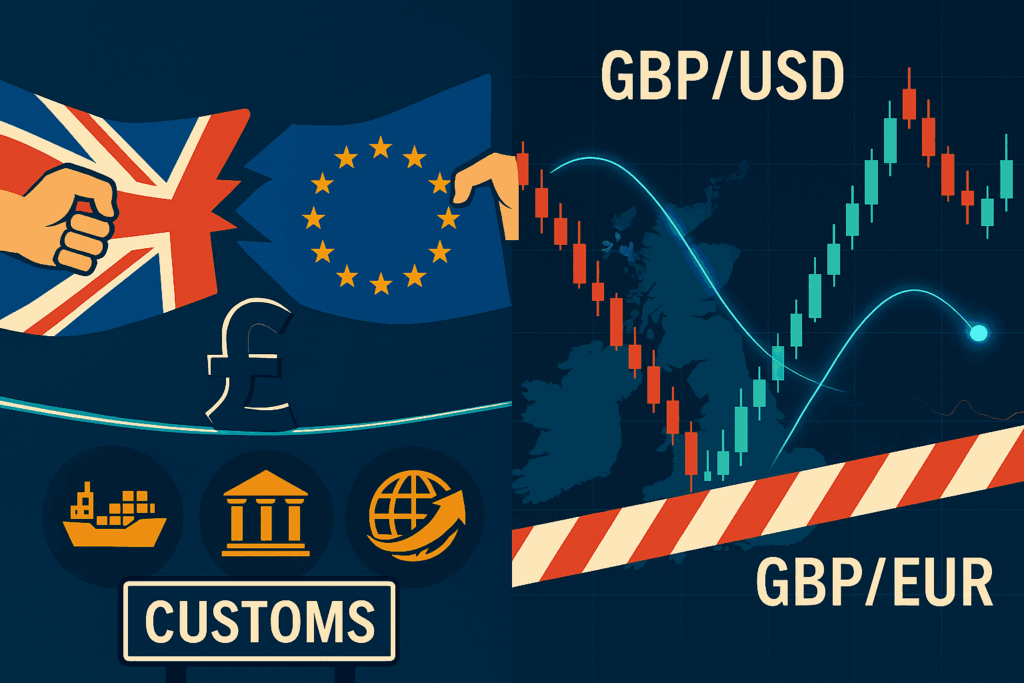
Brexit remains the clearest illustration of politics shaping forex markets. Every stage of negotiations between the UK and the European Union sent shockwaves through GBP/USD and GBP/EUR, with sharp moves often driven more by headlines than hard economic data. Even in 2025, Brexit’s legacy lingers: ongoing debates about regulatory alignment, trade barriers, and the Northern Ireland protocol continue to create uncertainty for the pound.
Elections and Leadership Changes
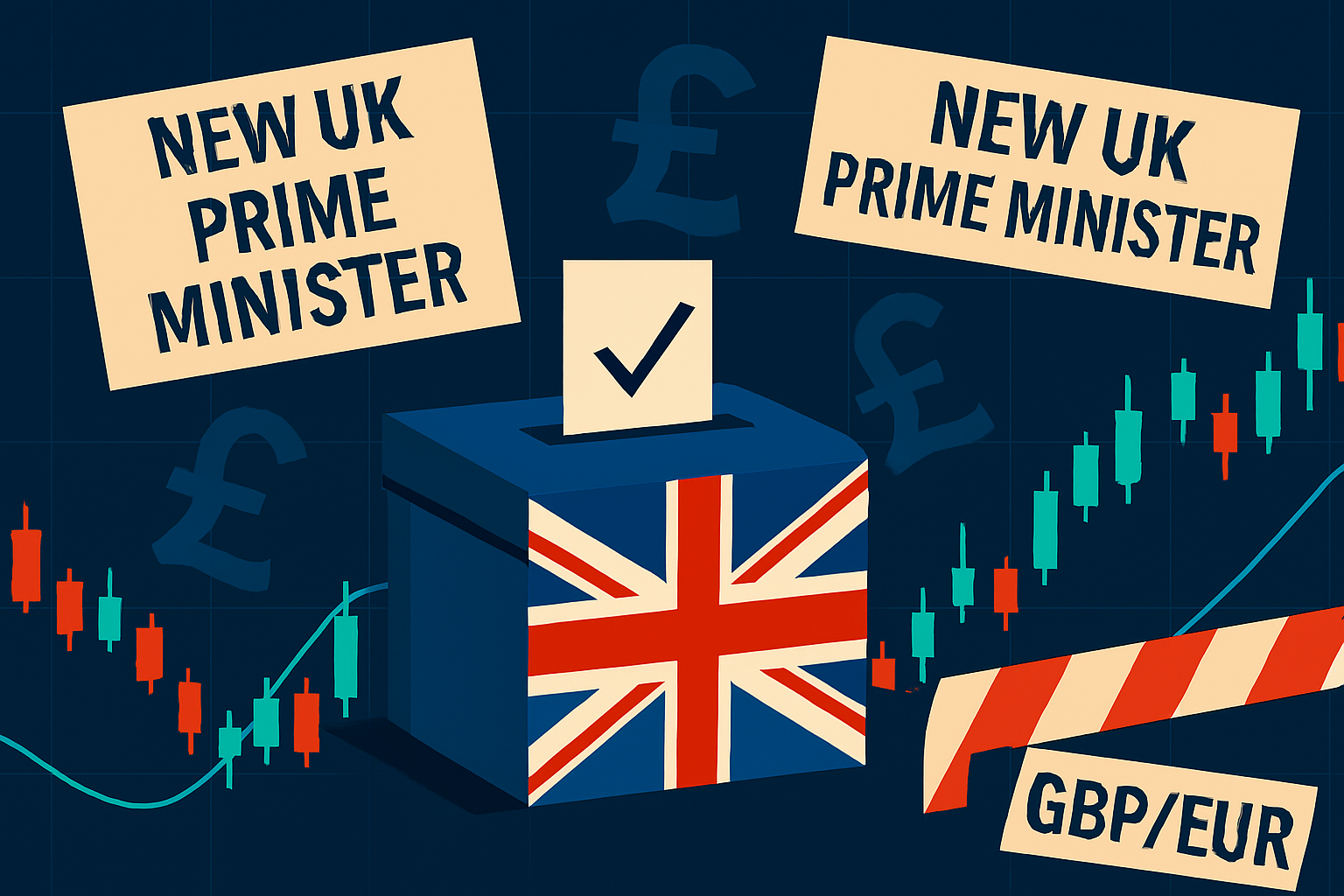
General elections and leadership contests within the ruling party are another major driver of GBP volatility. For example, when a new prime minister comes to power, markets quickly reprice sterling based on perceived economic competence and fiscal stance. A government leaning toward austerity might strengthen the pound in the short term by signaling fiscal discipline, while heavy spending promises could weaken it if traders fear higher debt or inflation.
Fiscal and Monetary Policy Interplay
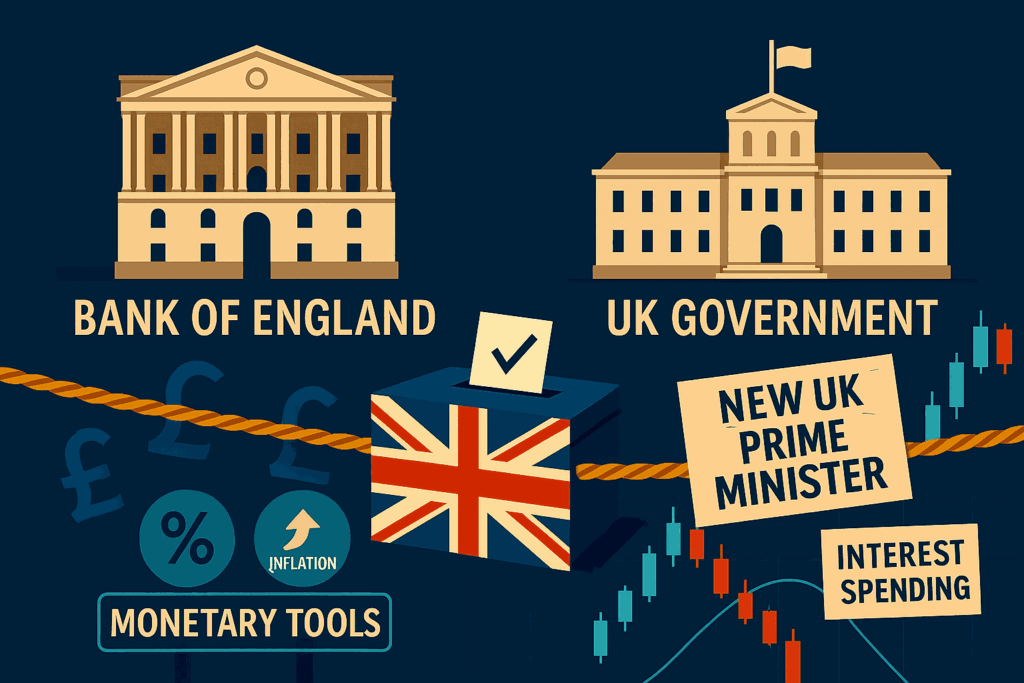
Political decisions also influence how the Bank of England reacts. For instance, if a government announces aggressive fiscal spending, traders may anticipate tighter monetary policy to offset inflation risks. Conversely, austerity could allow for looser policy. This constant tug-of-war between political actions and central bank responses is a core factor in GBP/USD and GBP/JPY moves.
Foreign Policy and Trade Relations
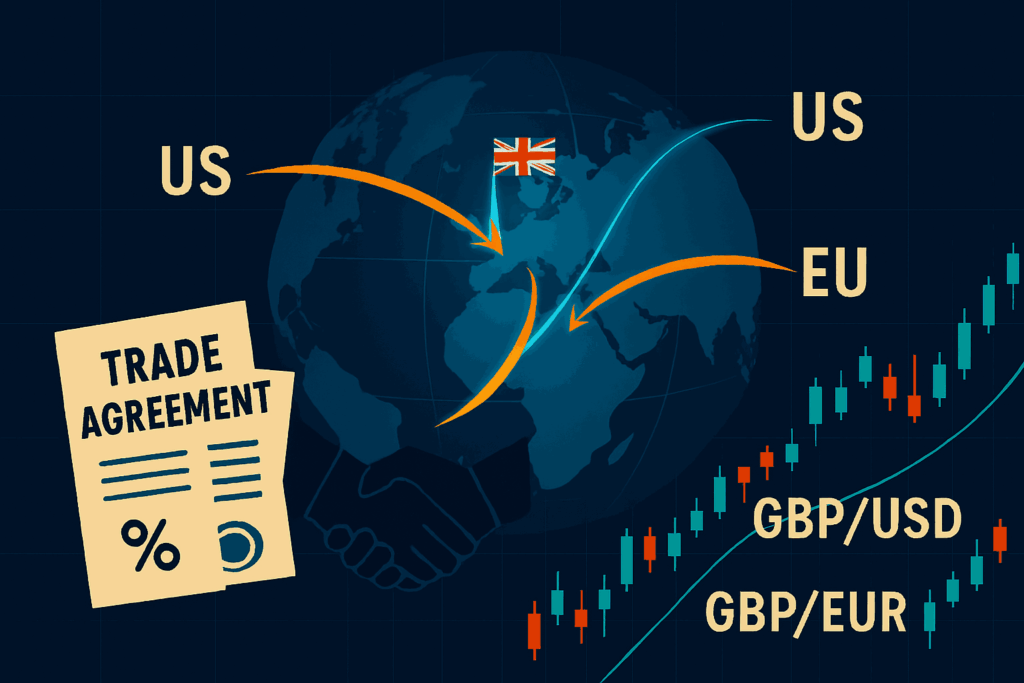
UK foreign policy decisions also ripple through GBP crosses. Negotiations over trade deals with the U.S., Europe, or Asia directly affect long-term economic prospects. Similarly, tensions with major partners can weigh on sentiment. For instance, progress on U.S.–UK trade agreements tends to lift GBP/USD, while frictions with the EU may weigh on GBP/EUR.
Why Traders Love GBP Volatility

For forex traders, GBP volatility is both a risk and an opportunity. Day traders and swing traders often gravitate toward GBP/JPY known for its sharp intraday swings especially during political uncertainty. Meanwhile, longer-term investors monitor GBP/USD as a proxy for overall confidence in the UK economy and government stability.
Trading Considerations
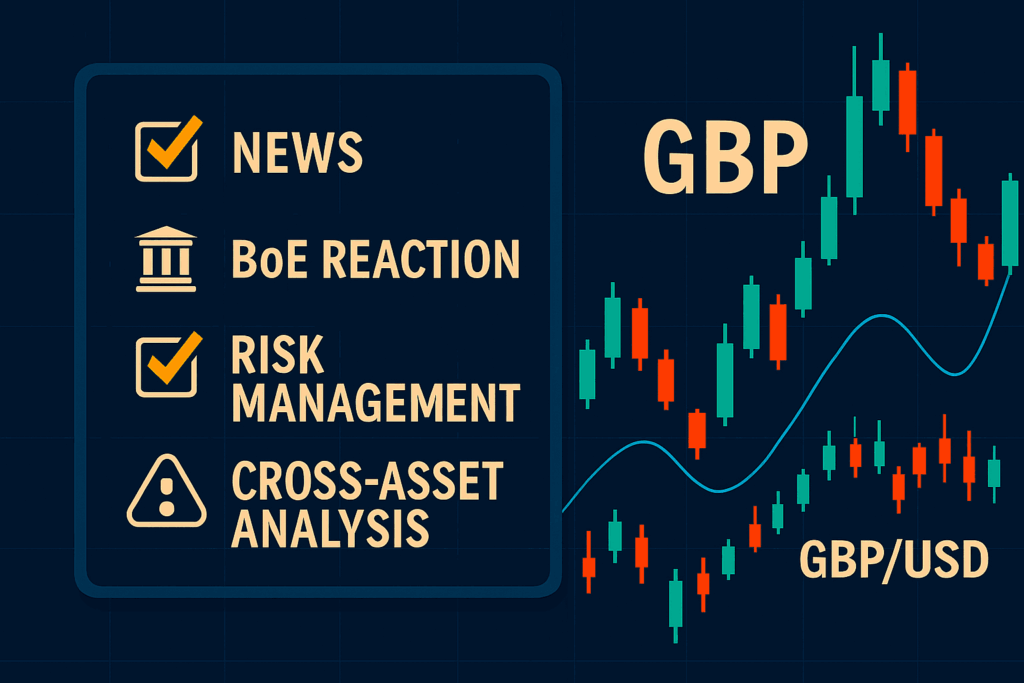
- Stay News-Driven: Traders must monitor UK parliamentary debates, government statements, and election timelines.
- Watch Central Bank Reaction: Market pricing often reflects how politics could shift Bank of England policy.
- Manage Risk: Political headlines can spark sharp moves; stop-losses and position sizing are critical.
- Cross-Asset Signals: UK bond yields and equity market reactions often foreshadow moves in GBP crosses.
Final Thoughts
UK political events remain one of the strongest catalysts for volatility in GBP crosses. While fundamentals like inflation and growth data matter, politics can change market sentiment instantly. For traders, this creates both risk and reward. Those who follow Westminster closely and react swiftly to developments are often best positioned to capture moves in GBP/USD, GBP/EUR, and GBP/JPY.